

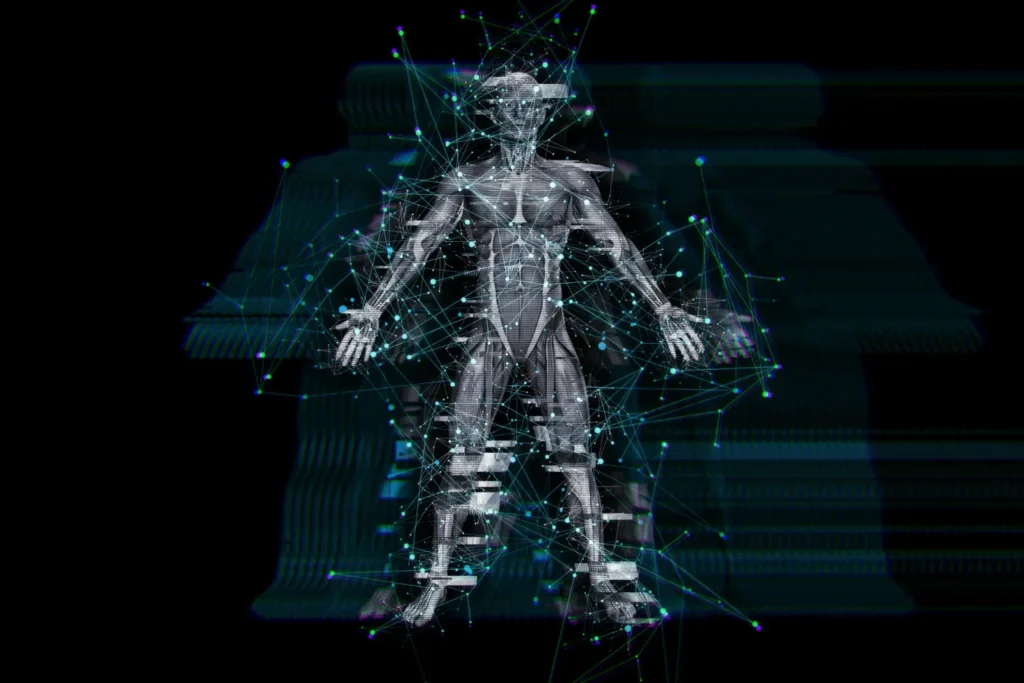
Human Hologram – Price. What influences the cost?

Human holograms and their cost are a key issue that determines the accessibility of this innovative technology to various sectors. In this post, we point out that high-quality projectors can cost as much as several hundred thousand zlotys, and licenses to use the image of a well-known person can range from a dozen or so to several hundred thousand zlotys. However, increasingly affordable prices are opening the door for smaller companies and educational institutions.

What is a human hologram, and how does price affect its use?

A human hologram is a three-dimensional projection of a human figure, a three-dimensional object, or an animation, created using advanced holographic technology. The price of a hologram is important because it determines where and how it can be used. Cost determines the availability of this technology for various sectors and applications. The price directly affects the availability of holograms. High costs limit the use of this technology mainly to large corporations, exclusive events, or premium campaigns. More affordable solutions open the door for smaller companies, educational institutions, and even individuals, enabling them to take advantage of innovative visual solutions. Because of its unique shape, human hologram is used in many fields. In advertising and marketing, it can serve as a virtual presenter, an interactive installation, or a component of an advertising campaign. In education, it makes it easier to grasp difficult topics by presenting them in a visually appealing way, for example through interactive 3D models. In the entertainment industry, it allows for the organization of concerts and performances without the physical presence of artists, which opens up new stage possibilities and reduces logistical costs. As prices become increasingly affordable, this technology is becoming accessible to a wider audience, which in turn is accelerating its development and adoption across various sectors.

What factors have the greatest impact on the cost of a hologram?

The final price of a hologram is determined by many factors. The following are of key importance:
  • project complexity: the more complex the animation and interactions, the higher the cost,
  • Quality of materials: The use of high-quality projectors, screens, and other components affects the price but ensures better image quality and durability,
  • type of projection technology used: different technologies (e.g., laser projection, LED) have different costs and specifications,
  • Costs associated with creating 3D animations: Professional animations require specialized knowledge and time, which generates costs,
  • software licensing costs: software for creating and displaying holograms often requires a license,
  • patent fees: the use of patented technologies may involve additional fees,
  • Expenses related to the transportation and installation of the entire system: Transportation and installation costs depend on the size and complexity of the system.

In which industries is investing in a human hologram most justified?

The use of holograms is particularly justified in sectors where visual impact and innovation are of great importance. These include:
  • entertainment industry: holograms make it possible to organize concerts featuring virtual artists, spectacular shows, and interactive performances, creating unique experiences for audiences,
  • Education: Holograms enable the creation of modern lessons and multimedia presentations, visualizing complex concepts and increasing student engagement,
  • Advertisement: Holograms can be used to create interactive displays, virtual guides, and engaging advertising campaigns, attracting the attention of potential customers,
  • health care: Holograms are used in remote medical training, surgical simulations, and consultations, enabling doctors and students to acquire knowledge and skills in innovative ways.
In each of these areas, price affects the scale of implementation and how the technology is used. For example, in education, less expensive, smaller systems can be used in individual classrooms, while more expensive, advanced systems can be used for large-scale presentations.

Is it worth investing in a hologram as a virtual presenter?

Investing in a hologram as a virtual presenter can yield tangible benefits, especially if it captures the audience’s attention, boosts brand recognition, and delivers better results than traditional forms of presentation. However, it is crucial to tailor the content to the target audience and have a well-thought-out marketing strategy. For example, a virtual presenter can be used at trade shows, conferences, or retail locations to showcase a product or service in an interactive and engaging way. It is important that the animation and content of the presentation be tailored to the audience's expectations and needs. Check also: How much do holograms cost?

How can a human hologram enhance events, given the costs involved?

The use of holograms at events gives them a modern and unique feel. It makes it possible to deliver interactive presentations that engage participants and leave a lasting impression. Holograms can be used for product presentations, motivational speeches, and even interactive games and activities. It is worth comparing the costs of this solution with other forms of presentation to assess whether the investment will yield the expected results and a return on the expenses incurred. For example, instead of hiring an expensive speaker, you can use a hologram to present their speech, which may be more effective and cost-effective. The costs associated with creating the animation and setting up the holographic system should also be taken into account.

What factors have the greatest impact on the price of a human hologram?

Many factors influence the cost of creating a human hologram. One of the key components is high-brightness projectors, which not only determine the quality of the displayed image but also significantly increase the total cost. High-end projectors, capable of producing images with adequate sharpness and color saturation, can cost anywhere from several dozen to even several hundred thousand zlotys. The materials used for the projection, such as film or holographic tulle, also play an important role. Their type and quality directly affect costs. For example, specialized holographic tulle, which provides an almost invisible background and excellent projection, is significantly more expensive than standard materials. Added to this is a carefully designed set, which is intended to enhance the realism of the presentation—and this entails additional costs for the design, construction, and installation of set elements. Nor can we overlook the issue of the space in which the hologram is to be displayed. Depending on the technology used, it may be necessary to prepare a larger area or adapt the space, which results in additional expenses, such as those related to rent or renovations. Renting a professional studio with the necessary technical equipment costs several thousand zlotys per day. The final price also depends on the level of detail and the quality of the hologram itself. The more visually advanced the project, the higher the hardware requirements—and, consequently, the higher the costs. Modern equipment that offers better visual effects also impacts the budget. Creating a realistic hologram of a human being that accurately reproduces facial expressions and movements requires the use of advanced 3D modeling and animation techniques, which significantly increases production costs. The scale of the project is also important. The larger the project, the more resources must be allocated to its implementation. If the hologram depicts a well-known figure, additional fees may apply in connection with the rights to use that person's likeness. Obtaining a license to use the likeness of a famous person can cost anywhere from a dozen or so to several hundred thousand zlotys, depending on the person’s popularity and name recognition. Finally, it’s worth mentioning features such as interactivity and the ability to stream live. These features, while impressive, require advanced technological solutions, which increase the cost of the entire production. Additional systems, such as lighting control and multimedia equipment, also contribute to the final cost. An interactive hologram that responds to gestures or voice commands requires the integration of advanced sensors and software, which incurs additional costs.

Is investing in holographic systems for human holograms a sound investment?

Investing in holographic technology, which enables the creation of realistic images, can yield tangible benefits. However, it is crucial to first analyze the potential return on investment and the long-term effects. Such solutions offer innovative ways to showcase products and strengthen brand identity. Several factors influence profitability. First and foremost, you must consider initial expenses, such as purchasing or renting equipment, as well as its installation and configuration. Added to this are ongoing costs—maintenance, energy consumption, and regular content updates. On the other hand, the investment can lead to increased sales, an improved perception of the company, and cost savings compared to traditional forms of promotion. The technology relies on the use of a special holographic tulle that becomes nearly invisible under the right conditions. In „black box” mode, the projector projects the image directly onto the material, creating a three-dimensional effect. Lighting is crucial here—light that is too intense can degrade the quality of the projected image. Where should such solutions be implemented? First and foremost in marketing and advertising, where holograms effectively capture attention and create unforgettable campaigns. They are also well-suited for use in education, enabling interactive lessons, as well as in the entertainment industry—at concerts, theaters, and museums. The retail sector can also benefit by offering customers a modern way to showcase products. There are a variety of examples of applications. A virtual presenter can showcase the company's offerings around the clock, eliminating the need to hire staff. Interactive exhibits allow visitors to interact directly with holograms, which increases their engagement. Telepresence technology, on the other hand, allows people to participate in meetings and conferences without being physically present, which reduces travel costs and makes it easier to access specialists. To assess whether an investment makes sense, it’s a good idea to start by defining your goals—whether the goal is to increase sales, improve brand recognition, or reduce operating costs. Next, estimate all expenses, both one-time and recurring. The next step is to analyze potential benefits, such as increased revenue or an improved image. Finally, it’s a good idea to compare the costs with the expected profits and calculate how long it will take for the investment to pay for itself. Holograms can be an effective business tool, provided they are properly tailored to the company's needs. A well-thought-out implementation strategy increases the chances of success and helps you stand out from the competition.

FAQ

What factors have the greatest impact on the price of a human hologram?

The price of a hologram is influenced by the complexity of the design, the quality of the materials (projectors, screens), the type of projection technology, and the costs of 3D animation. Additional costs include software licenses, patent fees, and the transportation and installation of the system.

In which industries is investing in a human hologram (price) most justified?

Investing in holograms is justified in the entertainment industry (concerts, shows), education (modern lessons), advertising (interactive displays), and healthcare (medical training). Price affects the scale of implementation in these sectors.

Is it worth investing in a human hologram as a virtual presenter (price)?

Investing in a hologram as a presenter can be worthwhile if it attracts attention, strengthens the brand, and delivers better results than traditional presentations. The key is to tailor it to the target audience and have a well-thought-out marketing strategy.

How can a human hologram enhance events, given the costs involved?

Holograms at events give them a modern feel and engage attendees. Compare the costs with other forms of presentation to assess the potential return on investment.
Shopping Cart
Scroll to Top